In recent years, real estate development has reached a groundbreaking stage where traditional solutions are increasingly being replaced by innovative and sustainable practices. Developers, who until recently focused primarily on aesthetics and location, now understand that a future-proof development means much more. Energy efficiency, smart systems, and conscious material selection are no longer added values—they are rapidly becoming the new standard for new developments.
Technology transforms both construction and living
Innovation within the construction sector is taking developments to a new level. More precise design capabilities and resource-efficient working methods allow for the creation of buildings that are both environmentally friendly and of high quality.
However, technological advancement is not limited to construction; it extends into the living environment as well. New developments are becoming increasingly smarter. Smart home solutions, such as remote-controlled heating systems, energy-efficient ventilation, and smart intercoms, offer residents greater comfort and control.
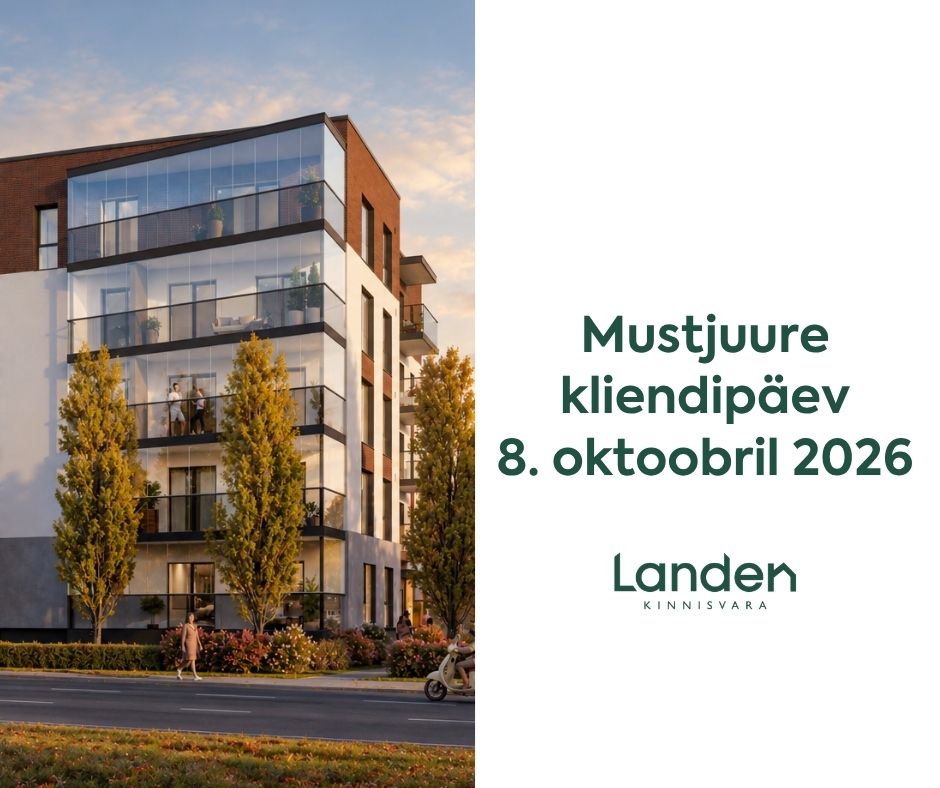
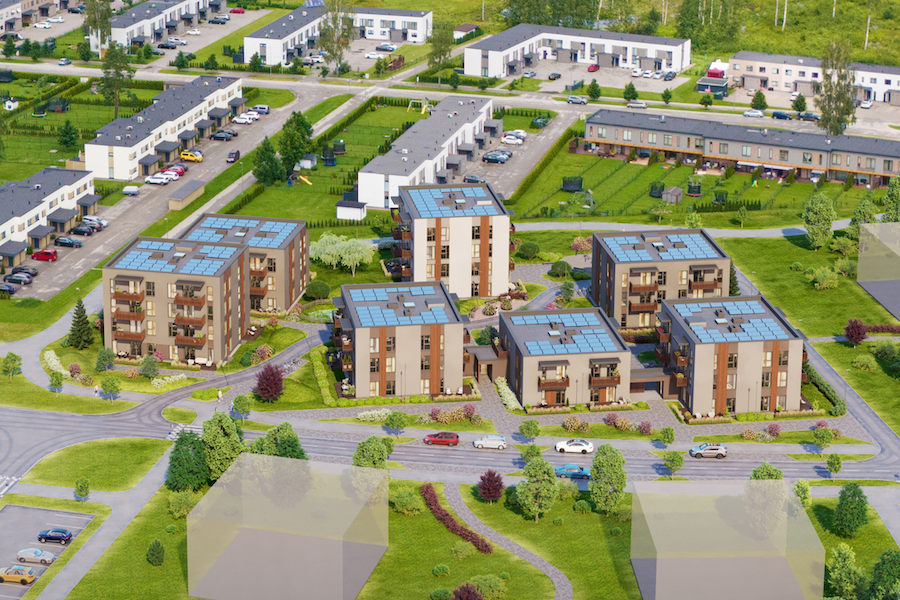
For example, Raadi Roosipark in Tartu and Mustjuure Linnakodud in Tallinn are equipped with the Bisly smart home system, which allows for the management of home technical systems—from heating to lighting and intercoms—conveniently through a single smart platform. Such an integrated solution enhances the quality of life and enables the homeowner to consciously manage their energy consumption.
Digitalization also brings new opportunities for developers and management companies. Maintenance can be planned proactively, costs optimized, and resident satisfaction increased thanks to precise data and flexible management. Technology doesn't just make homes more comfortable; it makes the entire development process smarter.
Sustainability as the new standard in residential development
While an energy class A building was a market advantage until recently, today it is the minimum for a high-quality new development. The use of renewable energy—such as solar panels—is integrated already in the design phase to reduce the building's ecological footprint and the residents' monthly energy costs.
In addition to the energy class, the homebuyer of the future increasingly values a comprehensive solution. Thus, new developments are expected to have well-thought-out layouts and high-quality construction and finishing materials with a smaller carbon footprint during production and transport, helping to reduce the development's environmental impact starting from the construction stage. Even more importantly, as a homebuyer, one looks at the building's impact on daily life in the long term. Noise-reducing windows and a double facade, a secure lockable bicycle house, and electric car charging readiness at every parking spot—these are no longer added values, but part of modern expectations.
Truly sustainable development does not only mean energy-efficient buildings and the use of renewable energy, but more broadly an environment that supports a healthy, balanced, and resource-efficient lifestyle. This includes considering the surrounding urban space, green areas, and mobility options, offering residents a comfortable, safe, and accessible living environment.
Well-planned pedestrian and bicycle paths, connections to parks and recreation areas, and fast and reliable public transport connections create the conditions for daily movement without a personal car. Here, the car is no longer an unavoidable necessity but a conscious choice. This is how a city is born that is simultaneously environmentally friendly and human-centered.
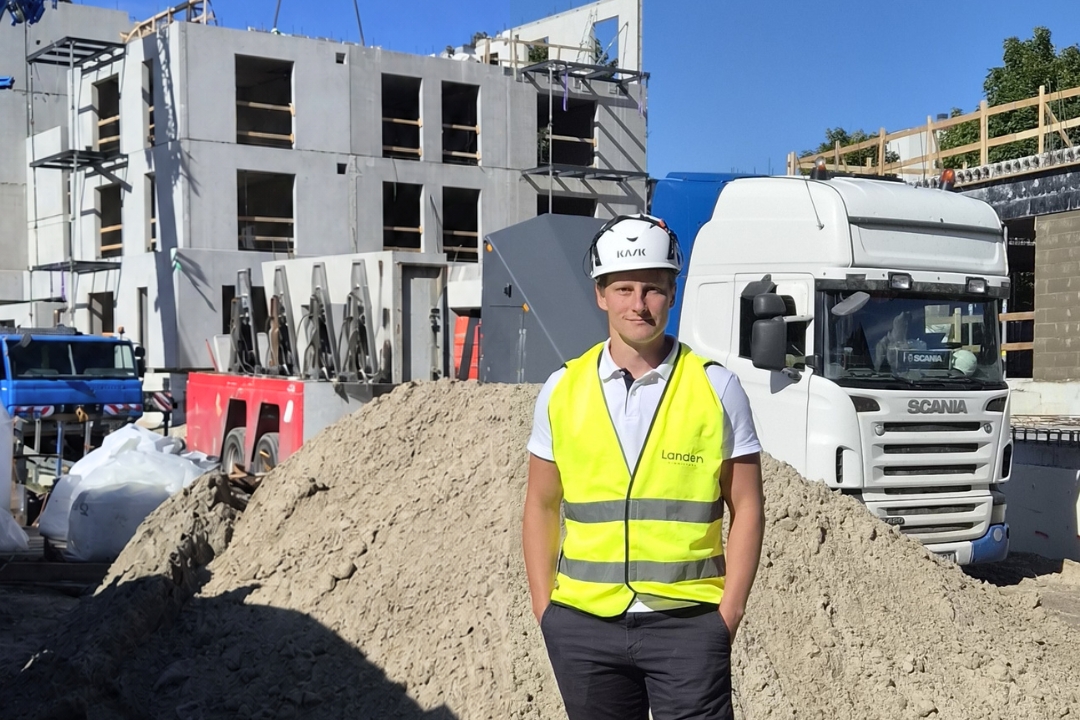
"Modern real estate development is no longer just about building a house; it is about creating an environment that considers the interaction between people, technology, and space. Our strength as a developer is that we have a background in design and planning, which allows us to see the big picture at an early stage and make decisions that ensure the long-term value of the development for both residents and the environment," said Sten Uritam, CEO of Landen kinnisvara.
The developer of the future is conscious and technology-driven
Real Estate Development 2.0 means that successful developers no longer think only about selling apartments, but about the entire living experience. They plan developments holistically, from environmental impact and material usage to smart home solutions and creating a sense of community.
Real estate development is no longer merely the production of real estate. It is the design of a lifestyle service that connects human needs, technological possibilities, and environmental goals.